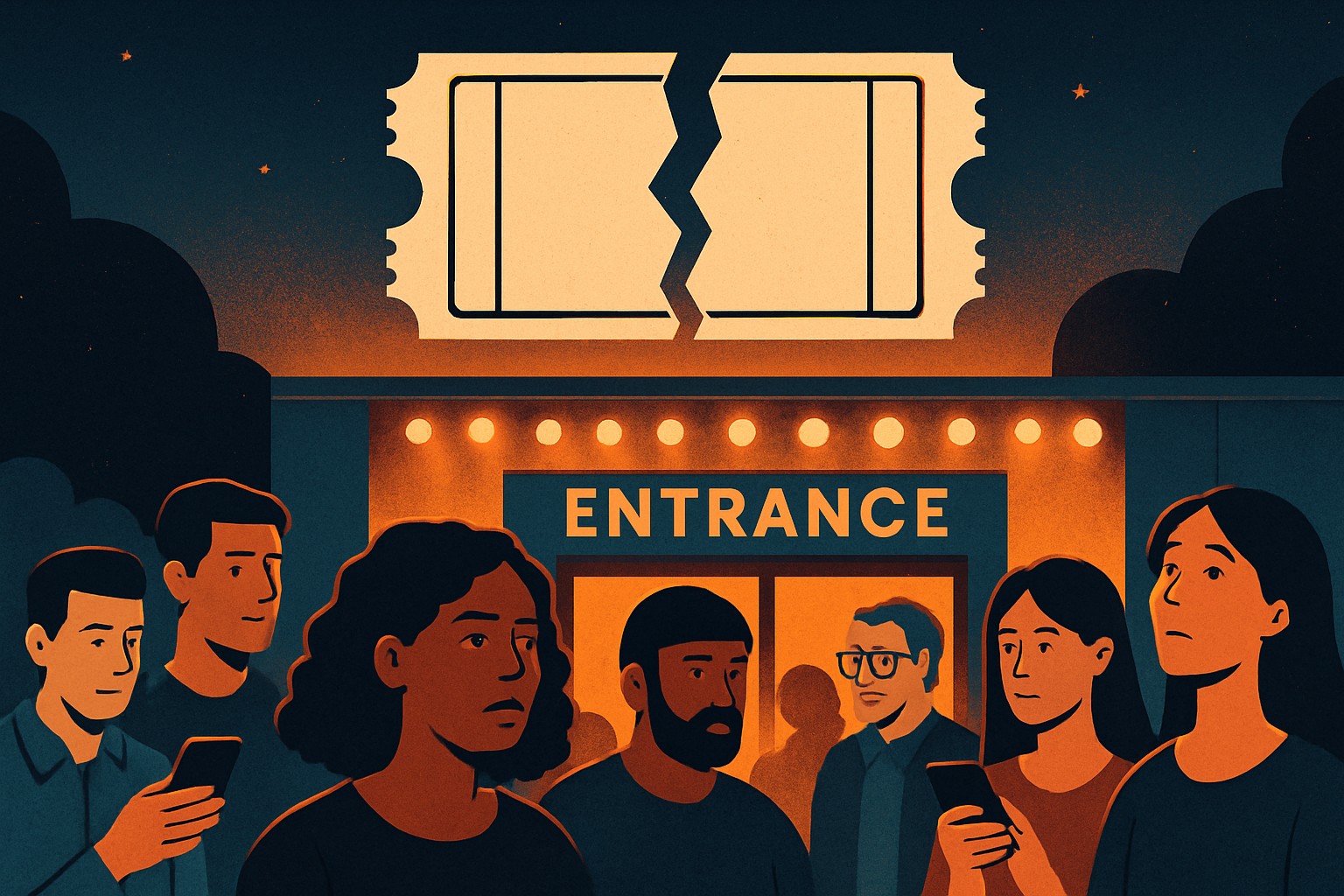
Picture this: you’re at Ticketmaster checkout, watching the total climb from $85 to $109 as service fees, order processing fees, and facility charges stack up one by one. Then your phone buzzes — a news alert reads “Jury Finds Ticketmaster Monopoly Illegal.” You think: finally. Then you hit “complete purchase” and pay the $109 anyway.
That is exactly where concert fans are right now. The verdict is real, the anger behind it is fully justified, and structurally nothing about this summer’s checkout screen has changed yet. But some things have changed, a few DOJ settlement provisions are already in force, and if you know where to look, you can pay meaningfully less for your next show right now — without waiting for appeals courts or remedies hearings.
What the Ticketmaster Verdict Actually Settled (And What It Didn’t)
On April 15, 2026, a federal jury in Manhattan found Live Nation and Ticketmaster liable on all antitrust claims — concluding that the company illegally monopolized the primary concert ticketing market and large amphitheater market under the Sherman Act. Thirty-three states and Washington, D.C. brought this case to trial after the DOJ settled separately in March 2026.
The jury specifically found consumers were overcharged $1.72 per ticket across the 22 plaintiff jurisdictions. Under antitrust trebling rules, that figure could reach up to $5.16 per ticket if the judge grants treble damages — but that decision happens in the remedies phase, which hasn’t begun.
What the verdict did not do: impose any immediate remedy, lower any fee, or guarantee refunds on any timeline. Live Nation stated immediately that “the verdict is not the last word on this matter,” per coverage from NBC News, and an appeal is widely expected. Senator Amy Klobuchar told NPR she doesn’t expect lower fees for summer 2026. The remedies phase trial isn’t expected until mid-to-late 2026, with structural changes likely stayed during any appeal — which could easily stretch into 2027 or beyond.
One more thing worth being precise about: the states’ case and the DOJ’s case are two distinct legal proceedings. Different settlement terms, different parties, different remedies. Don’t conflate them.
The DOJ Settlement Provisions Already in Force
Here’s the part most coverage is burying. The DOJ’s March 2026 settlement is already live.
It’s not a blockbuster divestiture — the National Independent Venue Association noted that the $280 million settlement fund represents roughly four days of Live Nation’s annual revenue. But it contains concrete provisions you can use today.
The settlement requires Live Nation to:
- Cap service fees at 15% at all Live Nation-owned venues
- Allow 50% of tickets at owned venues to be sold through competing platforms
- Divest 13 exclusive amphitheater booking agreements that locked out rival promoters
The 50%-to-competitors provision is the most actionable one for fans. It means that for Live Nation-owned venues, you can legitimately check SeatGeek, StubHub, or other authorized platforms for primary-market tickets — not just resale — before defaulting to Ticketmaster. That wasn’t consistently available before March 2026.
The DOJ also signed an eight-year consent decree prohibiting the company from retaliating against venues that use competing ticketing services. That structural pressure matters more than the dollar amount. It theoretically opens the door for more venues to switch systems over time; whether they actually do is a different question.
How Ticketmaster Responded to the All-In Pricing Rule
The FTC’s all-in pricing rule took effect in May 2025, requiring ticketing companies to display the total price — including all fees — upfront. On paper: a major consumer win. In practice: Ticketmaster ran a classic fee-shifting maneuver.
According to the FTC’s September 2025 lawsuit against Live Nation, the company stopped charging order processing fees and simultaneously raised per-ticket service fees at 26 venues to recover the lost revenue. Net effect for consumers: approximately zero.
The FTC’s broader case alleges that Ticketmaster’s hidden fees can total up to 44% of the ticket price, and that the company collected $6.4 billion in fees from 2019 to 2024. That FTC case is ongoing and separate from both the states’ verdict and the DOJ settlement.
This matters because it illustrates why the verdict alone isn’t a fee fix. Ticketmaster controls approximately 86% of primary ticketing at major concert venues. When there’s functionally no competition, fee caps have limited enforcement gravity and fee structures get reorganized rather than reduced. The company has done this before. It’s a good reminder to comparison shop before you buy — the same principle applies here.
Concert Ticket Platform Fee Breakdown: What You Actually Pay Right Now
The most practical thing you can do in the next five minutes is understand what you actually pay on each platform. Here’s the breakdown based on current fee research from TickPick’s industry comparison, FTC complaint data, and verified platform structures:
Disclosure: This article contains affiliate links to TickPick and SeatGeek. If you purchase tickets through these links, we may earn a commission at no additional cost to you.
Ticketmaster (resale): Combined fees average 27–28% of the base ticket price. On a $100 ticket, you’re looking at $27–28 on top, plus any facility charges. Using Ticketmaster’s own resale platform compounds this — the company collects fees on both the seller and buyer side.
TickPick: The only major secondary resale marketplace that charges buyers zero service fees. Sellers pay a flat fee; buyers see true all-in pricing from the first click. Reddit communities dedicated to concert ticket buying — including r/Tickets and r/LNTicketmaster — consistently cite TickPick as the go-to for resale when availability exists.
SeatGeek: Buyer fees typically run 10–15%. The platform’s “Deal Score” feature rates whether a ticket is priced above or below market, which actually helps during volatile presale windows when prices are all over the place.
AXS: Resale fees typically come in under 10%. AXS also handles primary ticketing for a growing number of venues that have switched away from Ticketmaster — worth checking directly before assuming Ticketmaster is the only primary option.
DICE: A no-resale platform used primarily for smaller venues and club shows. Tickets are purchased in-app and tied to your identity; they return to a waitlist if you cancel rather than feeding into the resale market. Doesn’t solve large-venue monopoly dynamics, but for independent shows it’s one of the most fee-transparent options available.
Not all shows have resale inventory on all platforms. Availability varies by artist, venue, and whether the tour has authorized resale at all. Check a few before you commit.
What Concert Fans Can Do Right Now: 6 Moves That Cut Fees
You can’t wait for appeals courts. The show you want is in six weeks.
-
Check the venue box office first. Many venues sell a portion of tickets directly with lower fees than Ticketmaster charges. This is especially true for theaters and mid-size venues that have leverage to negotiate their own terms. Takes two minutes to check.
-
Invoke the DOJ settlement provision. For any Live Nation-owned amphitheater, search SeatGeek or StubHub for the same show before going to Ticketmaster. The 50%-to-competitors provision means authorized primary-sale inventory should be available through competing platforms — and it may be cheaper even before fees.
-
Use TickPick for resale. If the face-value window has closed, TickPick’s zero-buyer-fee structure consistently undercuts Ticketmaster resale on total out-of-pocket cost. The r/Tickets community has documented this repeatedly; it’s not a marginal difference.
-
Join artist fan clubs and email lists. Presale codes from official fan club memberships typically offer face-value tickets before the general sale. For high-demand shows, this is the most reliable way to avoid both secondary market premiums and Ticketmaster’s highest-tier service fees. Yes, you have to sign up for an email list. Worth it.
-
Skip Ticketmaster’s own resale platform entirely. This is where the fee stacking gets worst — the company collects on both the seller and buyer side of the transaction. A third-party resale platform will almost always be cheaper for the same seat.
-
File an FTC complaint if you encounter deceptive pricing. The FTC’s active case against Ticketmaster is fueled by documented consumer complaints. File at reportfraud.ftc.gov. It won’t change your ticket price today. But it feeds the evidentiary record, and that record is already being used in court.
And don’t expect any refund based on the $1.72-per-ticket jury finding. Until the remedies phase concludes and all appeals resolve — a process that could run through 2027 or beyond — no consumer payment mechanism exists. Budget accordingly.
If rising costs across the board are hitting your entertainment budget, the broader consumer sentiment picture explains why this summer feels especially tight for discretionary spending.
What to Watch in the Remedies Phase
The remedies phase, expected to begin in mid-to-late 2026, is where the verdict becomes policy.
Divestiture of Ticketmaster from Live Nation would be the structural remedy with the most long-term pricing impact. The DOJ’s March 2026 settlement didn’t require it — which is precisely why 33 states kept fighting and eventually won the verdict. Whether the judge imposes divestiture in the remedies phase is the single most consequential question in the entire case.
Watch NIVA. The National Independent Venue Association has been the most consistent advocate for structural reform and tracks remedies developments at niva.org. Stephen Parker, NIVA’s Executive Director, called the verdict “a win for the small businesses and nonprofits that I represent… for the fans and the artists that have suffered under Live Nation for way too long.”
Watch for appeal-related stays. Live Nation has announced it will appeal. Structural remedies — including any divestiture — would almost certainly be stayed pending appeal. The practical timeline for structural change is 2027 at the earliest, and that assumes a normal judicial timeline.
The artists who supported the states’ case have been clear-eyed about what the verdict does and doesn’t mean. Conor Murphy, former lead vocalist of Foxing, put the underlying economics plainly in KPBS/NPR reporting: “My bands in particular, from my experience, we’re not seeing the benefits of ticket prices being more expensive. We’re not taking home more money at the end of tours.”
The Ticketmaster verdict establishes that the system is broken and legally indefensible. It doesn’t fix your summer concert budget. The six moves above will do more for your wallet in the next 60 days than any court ruling will — and that says a lot about how far structural reform still has to go. For a broader look at how hidden fees are eating into household budgets across categories, this breakdown of tariff-driven price increases is worth a read alongside this one.
Sources:
- Paul Weiss: Live Nation/Ticketmaster Antitrust Verdict Key Takeaways
- Wikipedia: United States v. Live Nation Entertainment
- WHYY: Ticketmaster Live Nation Settlement DOJ Trial
- Global Policy Watch: FTC Sues Live Nation and Ticketmaster
- FTC Press Release: FTC Sues Live Nation Ticketmaster
- KPBS: Artists Respond to the Live Nation Monopoly Verdict
- 6abc Philadelphia: What’s Next for Consumers After Live Nation Verdict
- Duane Morris: States Prevail in Live Nation Antitrust Trial
- CNN: Ticketmaster Live Nation Monopoly Verdict
- NPR: Ticketmaster Live Nation Verdict Monopoly Remedies
- Music Business Worldwide: Live Nation Antitrust Verdict
- TickPick: Best Ticketmaster Alternatives